Why Play-Based Learning Is Key for Your Kids
Early Foundations Academy
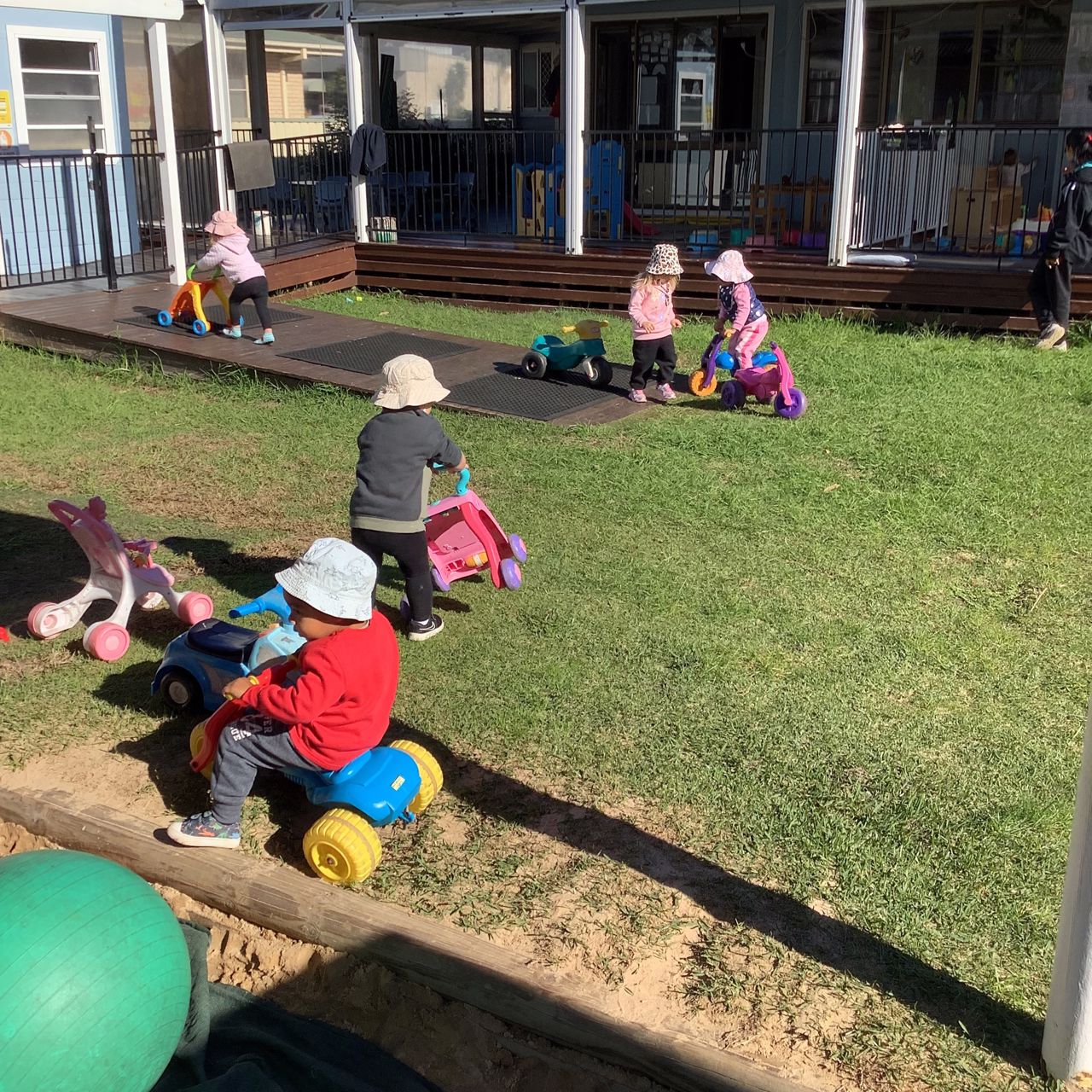
Parents sometimes worry that a day full of play is a day without learning. In the early years the opposite is true. Play is how children under five do their learning, and it is why Australia’s Early Years Learning Framework puts play at the centre of every approved early childhood program, including ours.
What play actually teaches
Watch a group of three year olds building a block tower and you will see them estimate, balance, count, share, argue, compromise and try again. Those are the foundations of maths, physics, language and emotional regulation, learned in a way that sticks because the child chose it and cares about the result.
Play-based does not mean unplanned
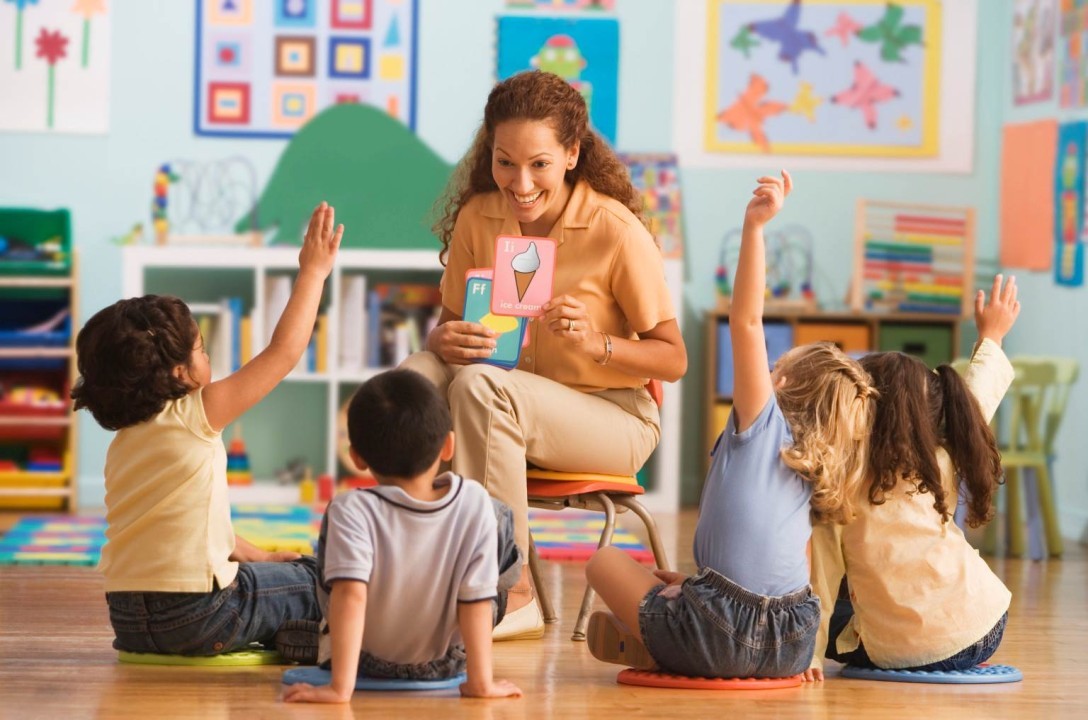
The difference between play and play-based learning is the educator. At Early Foundations Academy our educators set up the environment on purpose: the mud kitchen with measuring jugs, the garden beds with things to count and compare, the book corner beside the drawing table. They watch what each child is drawn to, then extend it with a question, a new material or a challenge.
Why it beats worksheets before school
Children who sit at desks at four often know their letters a little earlier, but by the middle of primary school the advantage disappears. What lasts is the confidence, curiosity and ability to persist that come from play. That is why our School Readiness room builds early literacy and numeracy into games, projects and group times rather than drills.
The five learning outcomes
The Early Years Learning Framework describes five outcomes: a strong sense of identity, connection to the world, wellbeing, confident and involved learning, and effective communication. Every one of them shows up in a good afternoon of play. Our educators document that learning in the OWNA parent app so you can see the thinking behind the mud and paint.
How to support play at home
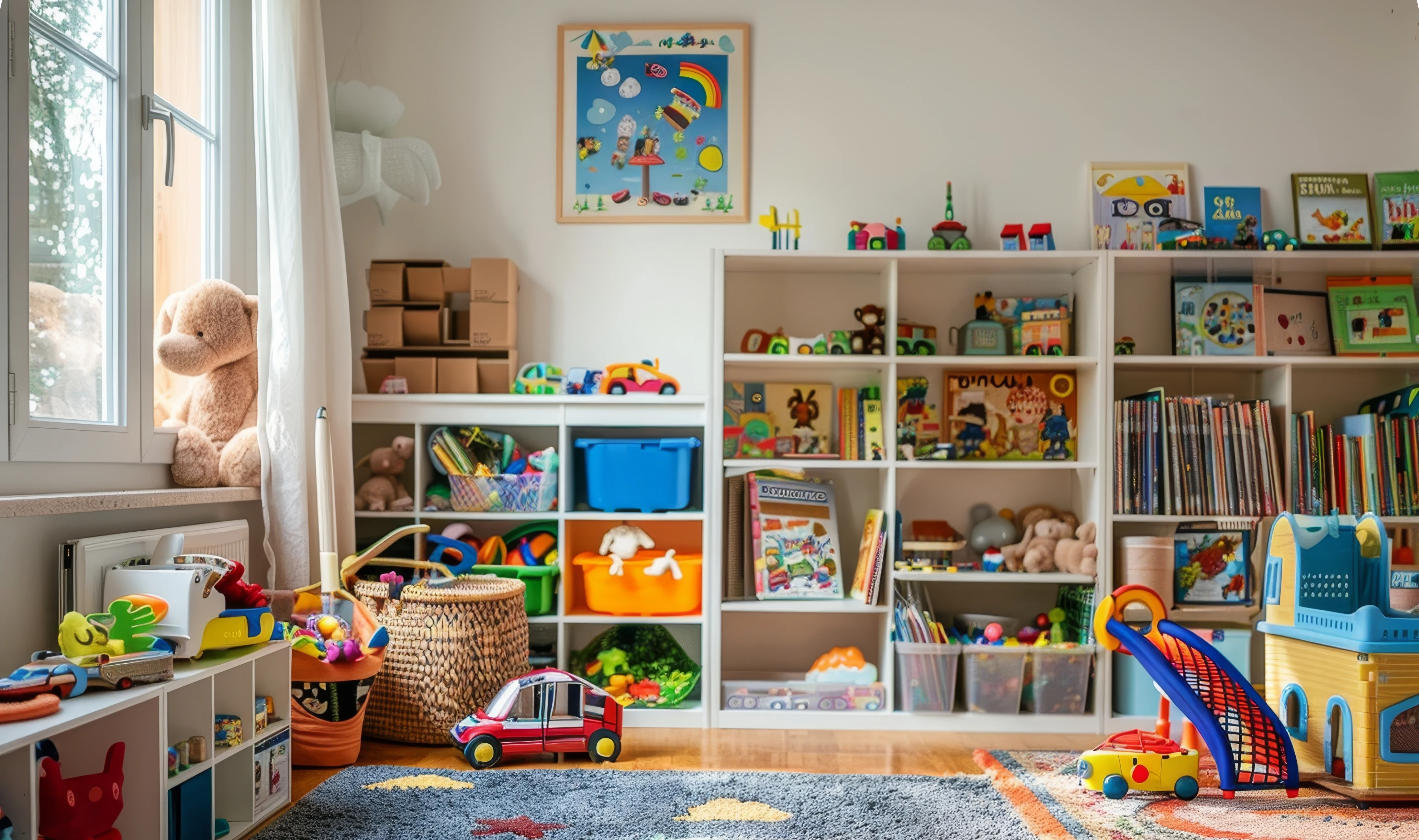
Offer open-ended materials: boxes, blocks, scarves, water, sand and kitchen utensils beat single-purpose toys.
Follow your child’s lead, then add one thing: a new word, a question, a problem to solve.
Let play be messy and let it be long. Deep play needs time to get going.
A child pouring water between two cups is running an experiment. A child playing shops is practising maths, language and negotiation at once.
The Early Foundations Academy Team
Come and see play-based learning in action. Book a tour of our Moorebank centre and we will show you what the children are really learning while they play.